
This Hero electric version of Splendor is meant for everyone who wants to experiment with a low-cost electric bike for daily commuting. Low running cost, easy charging, and a rated familiar riding feel for Indian roads.

Design and Look
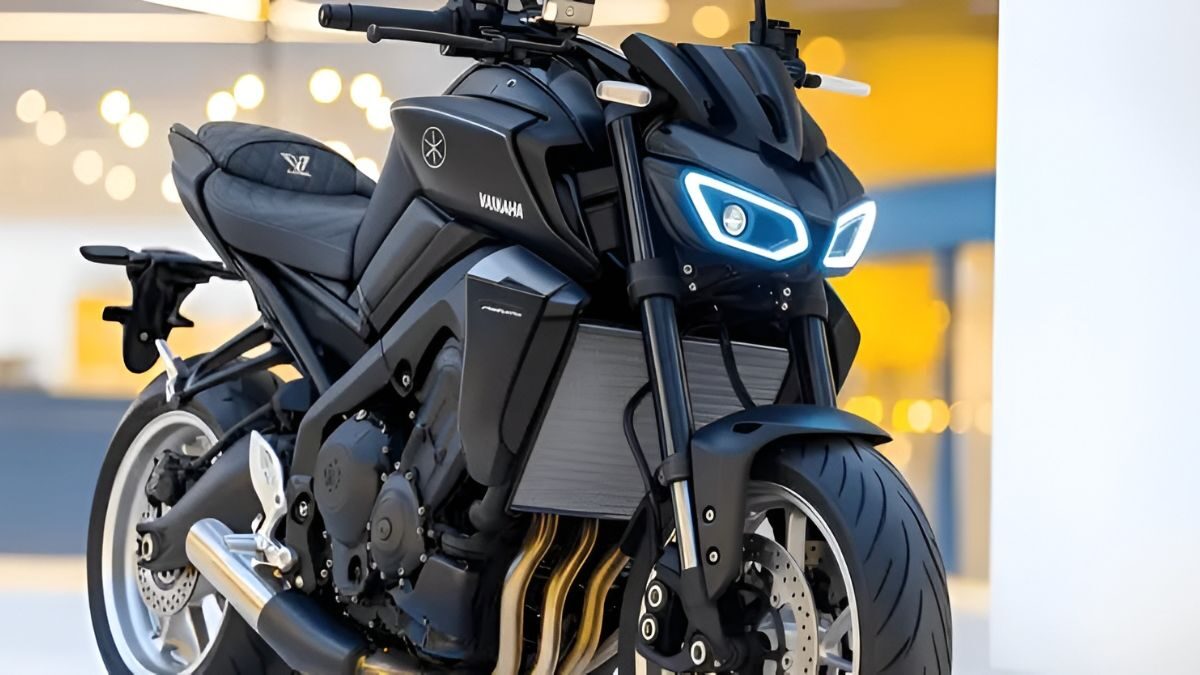
The Splendor EV retains the original look trusted by so many different riders. It is made of scratch-resistant materials, so it can withstand day-to-day use in the city. This bike possesses a premium yet fresh appearance due to the new LED DRLs and indicators that improve visibility on the road.
Digital Meter and Display
Speed, battery level, range, time, and trip distance are shown clearly by a fully digital meter. The very similar pattern defines visibility in the day with the aqua-blue backlight helping you to check charging and battery status in the dark.



Smart Controller Functionality
It is able to manage the flow of electric power from battery to motor through a smart controller.
It gives power according to accelerator twisting capacity and recovers some when braking, helping to increase riding range.
Ride Modes and Software Settings
Riders can select modes as per requirement. The moderate mode provides gentle acceleration and more battery saving to get through city traffic, while the fast mode boosts performance for open roads.
Battery and Charging
Splendor EV is powered by a 3 kWh lithium-ion battery that in ideal conditions would provide an approximate range of 120 km. This requires only fast charging in 3–4 hours and can also be charged conveniently at home using a regular 15-amp socket.
Costs and Savings
The battery will be charged at roughly ₹24 for a 3 kWh; if electricity costs ₹8 per unit, it will be charged.
Thus, it comes to about ₹0.20 per km, which is significantly less than the cost incurred by a petrol bike, especially amid the rising fuel prices.
Performance and Daily Commute
The torque of the electric motor pulls without hesitation and makes quick overtaking easy through traffic. The bike glides soundlessly over minor potholes, and with the upright seating position, pressure on your back and wrists disappears.
Safety and Reliability
Safety equipment extends to regenerative braking, bright LED DRLs and indicators, plus a weighty headlight for riding at night.
It is able to take some light rain, but riding or charging under heavy rain or deep water is not advisable.
Maintenance and Expenses
Go for an all-electric vehicle, and you will not have that much oil change as in petrol vehicles and engines that require very complicated service. Routine checks mainly include brake pads, tyres, suspension, and the belt drive. For those travelling 15-20 km each day, a single weekly charge would be sufficient.
Who Should Buy It?
Of course, for the first time, those who want to give an electric two-wheeler a try can also look forward to Splendor EV. It is ideal for students, office-goers, and delivery riders for their short and simple yet reliable city commuter. Existing Splendor owners will find the riding feel fairly similar.
Pricing and Subsidies
The expected ex-showroom price is around ₹75,000-₹85,000. Final price on-road will vary with state EV subsidies and company offers, so it is really worthwhile for buyers to check local benefits and plan their down payment and EMIs accordingly.
Conclusion
Hero Splendor EV combines a tried and trusted design with modern electric technology. Indeed, with low running costs, home charging, quiet operation, and low maintenance requirements, it offers an outstanding alternative for everyday city travel and for those transitioning from petrol to greener mobility.
Frequently Asked Questions
What is the range and charging time of the Hero Splendor EV?
The range and the charge duration of Hero Splendor EV would be around a maximum of 120 km with its 3 kWh battery and takes about full-charge from 3-4 hours – possible also from a normal 15-amp home socket.
What is the per-kilometer cost to run?
Charging one time costs approximately ₹24, which converts to a running cost of about ₹0.20 for every kilometer covered.
What maintenance would it require?
No oil changes are needed. Most checks need to be brake pads, tyres, suspension, and the belt drive. For 15–20 km daily use, the user usually has to charge once a week.
What is the price range expected?
The expected ex-showroom price is between ₹75,000 and ₹85,000. The final on-road price depends on your state subsidies and any company schemes.
